January 15, 2026
On Light and Atmosphere
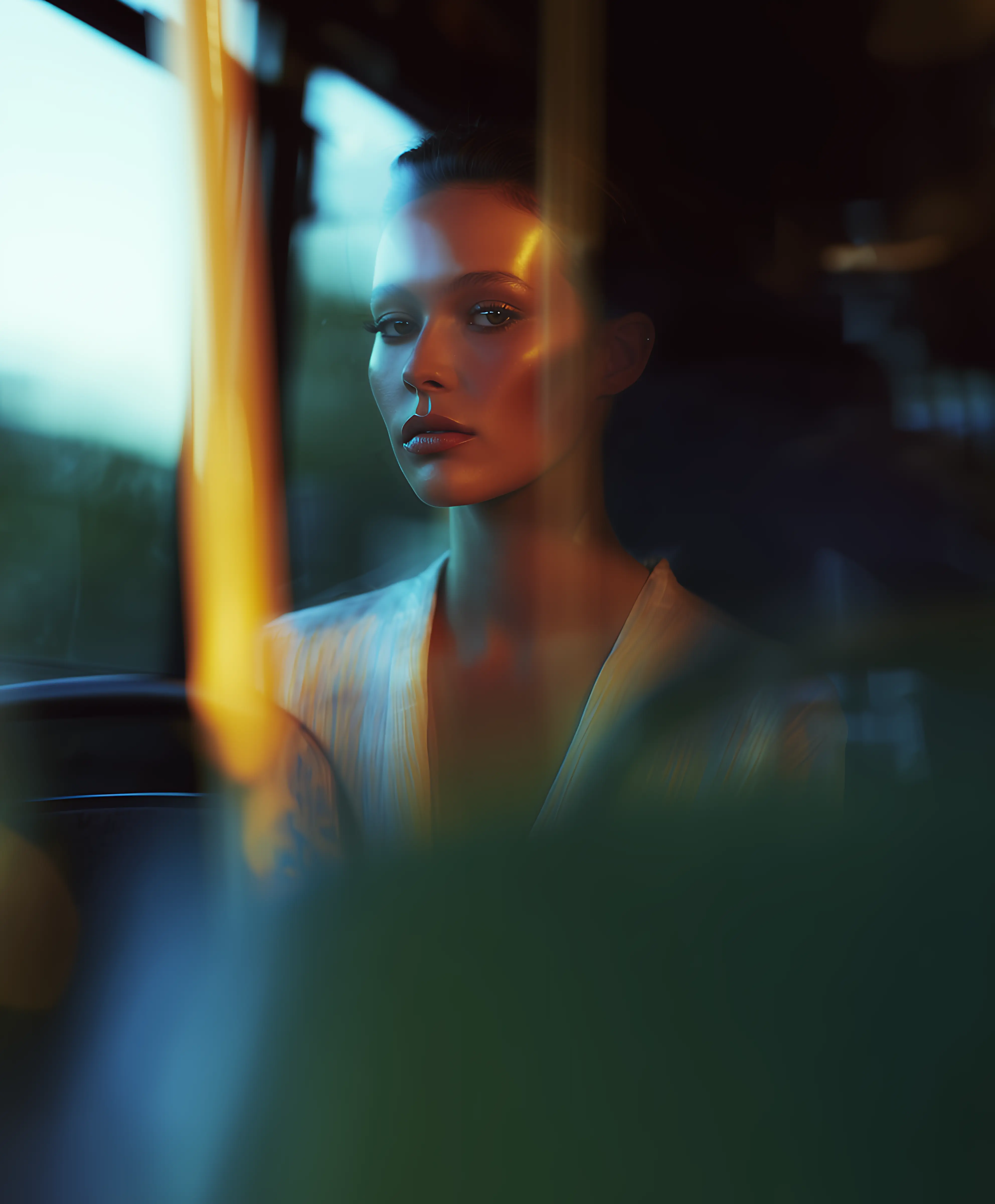
Light is never just illumination. In photography and film, it is structure, emotion, and context at once. It defines what is seen, but more importantly, it shapes how something is felt. Atmosphere is born from this relationship. It is the quiet layer that sits beneath subject and composition, often unnoticed but deeply influential.
Many images rely on subject matter to carry meaning. Strong work, however, allows light to do part of that work. It guides attention without instruction. It introduces tension or calm before the viewer understands why. Atmosphere emerges not from dramatic gestures, but from subtle decisions repeated consistently.
Light is not neutral. It always says something.
Light as Emotional Language
Every quality of light carries an emotional weight. Soft, diffused light tends to slow the viewer down. Harsh light sharpens edges and heightens contrast, creating alertness or unease. Directional light introduces depth and dimension, while flat light removes hierarchy.
These qualities are often felt before they are recognized. A viewer may not consciously identify why an image feels quiet or restless, but light is usually responsible. This makes it one of the most powerful tools available to a visual creator.
Working with light requires patience. It asks for observation rather than intervention. Natural light, in particular, changes constantly. Its unpredictability is not a flaw, but a feature. Learning to notice these shifts allows the work to respond to time rather than resist it.
Atmosphere is built when light and subject feel in dialogue. When the light supports the mood rather than competing with it, the image begins to feel cohesive.
Atmosphere Beyond Aesthetics
Atmosphere is often mistaken for style. In reality, it is closer to tone. Style can be replicated. Atmosphere is contextual. It depends on place, timing, and intention.
An image with atmosphere feels grounded. It suggests a world beyond the frame. This is not achieved through excess detail, but through restraint. What is left out is often as important as what remains.
In both photography and film, atmosphere is cumulative. It is shaped by light, color, pacing, and framing working together. When one element is too dominant, the atmosphere collapses into spectacle. Balance is essential.
This is why atmosphere cannot be added at the end. It must be considered from the beginning. Decisions made during capture determine what is possible later. Editing can refine, but it cannot invent atmosphere where none existed.
Learning to Work With Light
Working with light is less about mastery and more about familiarity. Over time, patterns emerge. Certain times of day produce consistent moods. Certain environments shape light in predictable ways.
This familiarity does not lead to repetition. Instead, it builds intuition. The creator begins to anticipate how a space might feel rather than how it will look. This shift changes decision-making. Technical choices become secondary to emotional ones.
Artificial light can be approached in the same way. Rather than overpowering a scene, it can be used to echo natural behavior. When artificial light feels believable, it supports atmosphere instead of announcing itself.
The most effective lighting choices are often the least noticeable. They feel inevitable, as if the image could not exist any other way.
Atmosphere as an Invitation
Atmosphere invites the viewer in. It does not explain itself. It creates space for interpretation rather than closing it off. This openness is what allows images to linger.
When atmosphere is present, the viewer is not rushed. They are encouraged to stay, to notice, to feel. The image becomes less about information and more about experience.
This is especially important in an environment saturated with images. Atmosphere slows consumption. It rewards attention. It allows the work to exist outside of trends or immediate reactions.
Light, when used with intention, becomes more than a technical concern. It becomes a quiet form of storytelling, shaping not just what is seen, but how it is remembered.